


Rwanda Secures 10-Year African Grand Prix Deal—but Don’t Book Your Flights Just Yet
Formula 1 has signed a 10-year agreement to bring Grand Prix racing back to Africa, with Rwanda chosen to host the new African Grand Prix from the early 2030s. It is a historic commitment, but not yet a date for the diary.
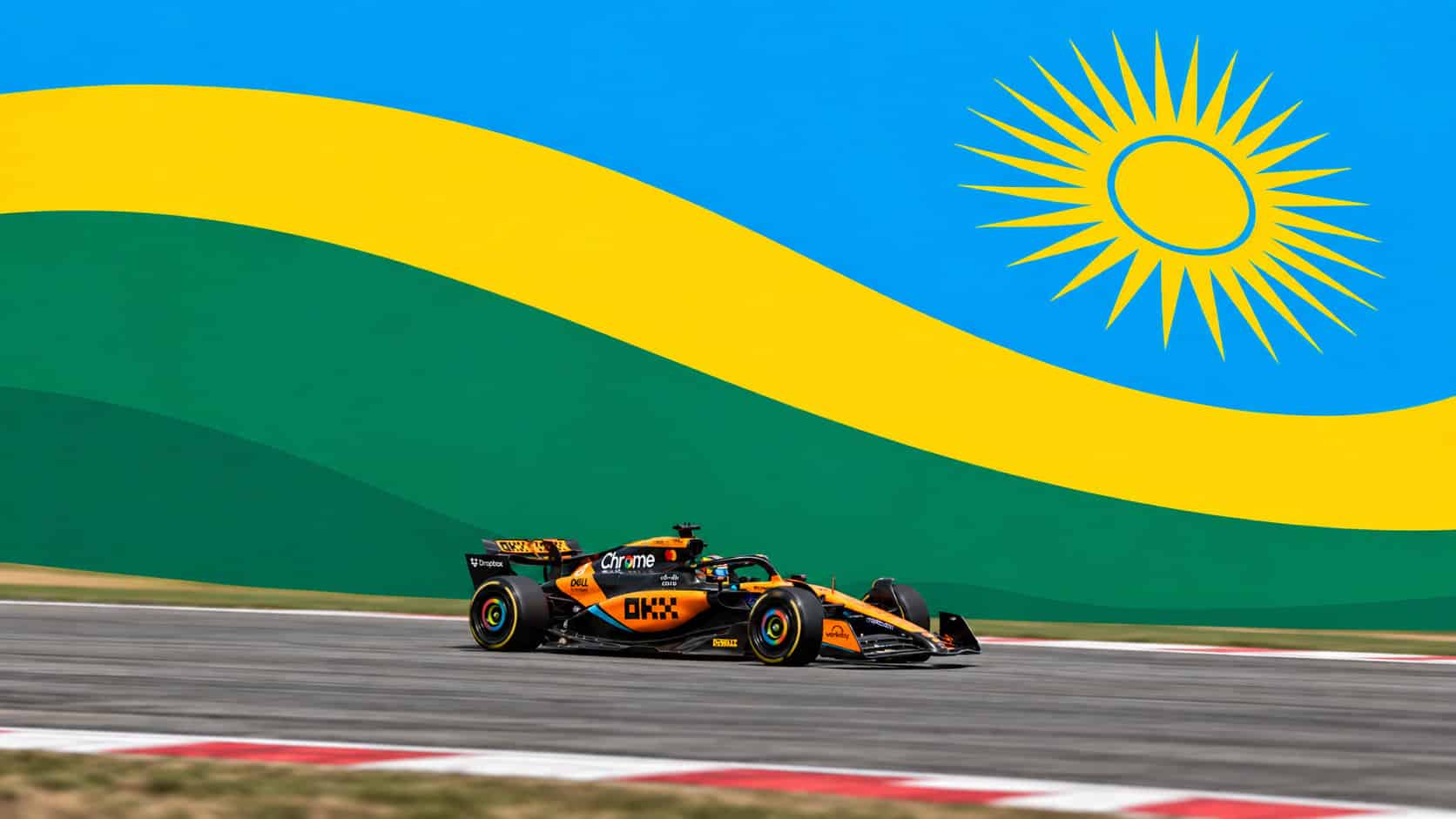
The official announcement confirms the deal between Formula 1 and Rwanda, rather than another expression of interest or hopeful bid. Africa has not staged a Formula 1 World Championship race since the 1993 South African Grand Prix at Kyalami.
There is, however, an important condition attached: Rwanda’s first race will take place only once a new purpose-built circuit has been completed. Formula 1 has given no exact inaugural season, calendar slot or race date beyond “the early 2030s”.
A new circuit in Bugesera
The venue is planned for Bugesera, around 40 kilometres south of Kigali and beside the new Kigali International Airport. It will be part of a wider development led by the Rwanda Development Board and must be built to FIA Grade 1 standards before it can host Formula 1.
Early plans sound rather more interesting than the usual collection of right angles dropped beside an exhibition centre. Designers Carsten Tilke and former F1 driver Alex Wurz are working with the natural landscape on a six-kilometre, anti-clockwise circuit with 17 corners and 197 metres of elevation change. Banking and cambered turns are planned, although the full layout has not been released.
That topography could make Bugesera a spectacular place to watch a race. It is still a design, though, and sweeping views in a rendering are easier to deliver than a finished circuit, access roads and grandstands full of spectators.
What still has to happen
Construction is the obvious hurdle, but completion alone will not put Rwanda on the grid. The circuit must secure FIA Grade 1 approval, a process for a new Formula 1 venue that includes safety simulations and inspections. Formula 1 says the inaugural date, construction milestones and race-weekend plans will be announced later.
For prospective spectators, that means there are currently no verified tickets, prices, grandstand choices or travel arrangements to act on. Even the debut year remains open. Until Formula 1 publishes a calendar date and the promoter releases practical details, this is a destination to watch rather than a trip to book.
A landmark deal with difficult questions
Rwandan president Paul Kagame presented the agreement as an investment in tourism, jobs and skills, while F1 says the race will reconnect the championship with more than 100 million fans across Africa. Calling it the African Grand Prix, rather than the Rwandan Grand Prix, makes the continental ambition plain.
The choice is not without controversy. Amnesty International has accused Rwanda of using international sport to polish its image, while the Rwandan government has rejected such criticism and argues that major events bring benefits to the country. A 10-year, Visit Rwanda-branded Grand Prix guarantees that debate will follow the project all the way to its first race.
For now, the significant news is that F1’s long-discussed return to Africa finally has a contracted home. Rwanda has won the race to host it; building a circuit worthy of the occasion is the much longer race that begins now.