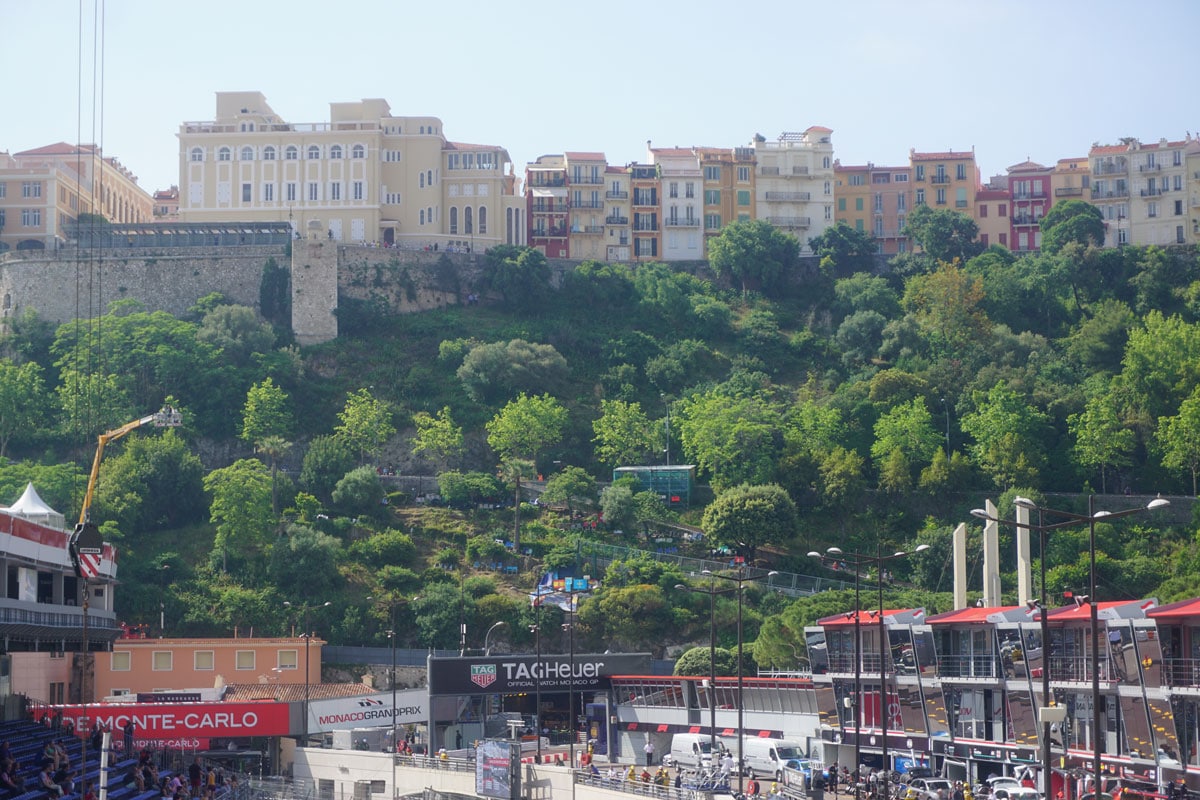






















Formula 1 has a seemingly ever-expanding roster of venues and choosing which Grand Prix to go to is no easy task. It’s a colourful, around the world tour that features some of the worlds great cities and distinctive circuits. Factors like ticket prices, proximity and the general appeal of the destination all play a part in choosing which Grand Prix to go to next. But the type of circuit also makes a big difference to the experience.

© waldopepper | Flickr
Different types of venues offer different experiences to those attending. Each come with their own features and characteristics that can make it better or worse for spectators. Sometimes the circuits we love to watch on television aren’t the best for fans in the grandstands.
Night races look dazzling on television, old classics are loved by fans for their history and character. Meanwhile this century’s ubiquitous ‘Tilke-dromes’ have their fair share of haters among fans. But which kind of track is the best for the spectator at the trackside?
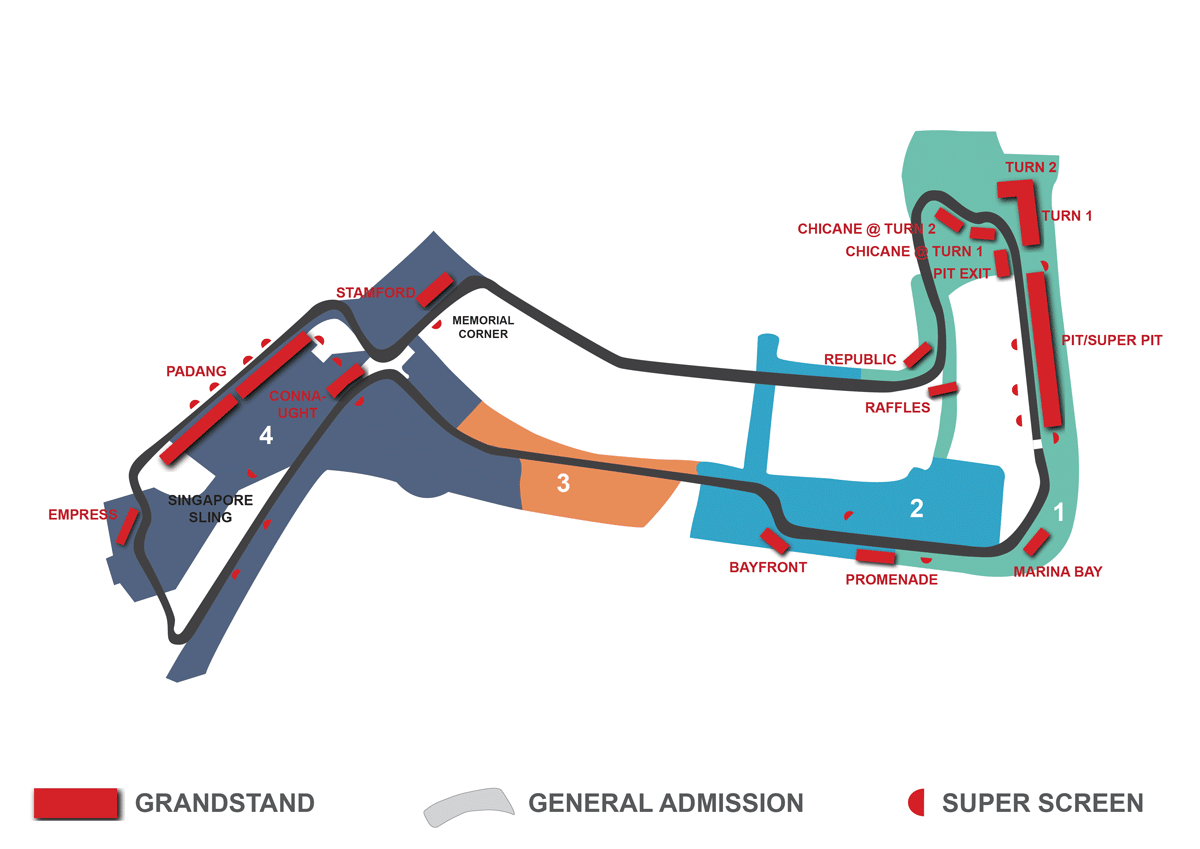
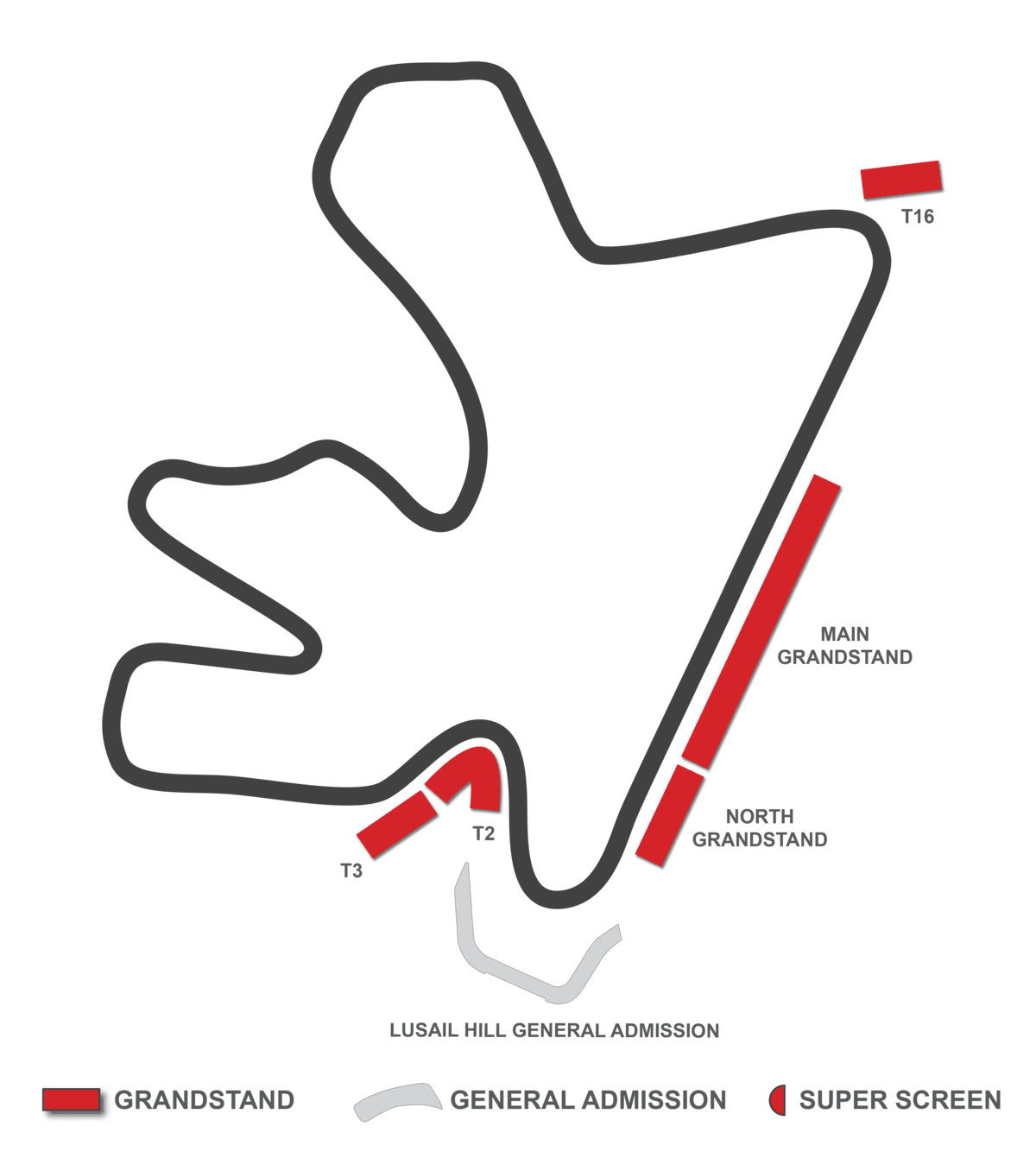
Dusk / Night Race (eg. Singapore, Abu Dhabi, Bahrain)
Having an F1 race in the dark still feels like a novelty and are loved by F1 fans for the spectacle that comes with a night race. From trails of sparks to celebratory fireworks, F1 at night has a sense of occasion.
There are practical benefits too. It’s no coincidence night races are staged in very hot, mostly Middle-Eastern countries. Being held in the evening means cooler temperatures and more comfortable spectators.
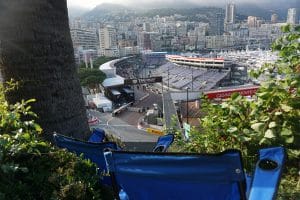
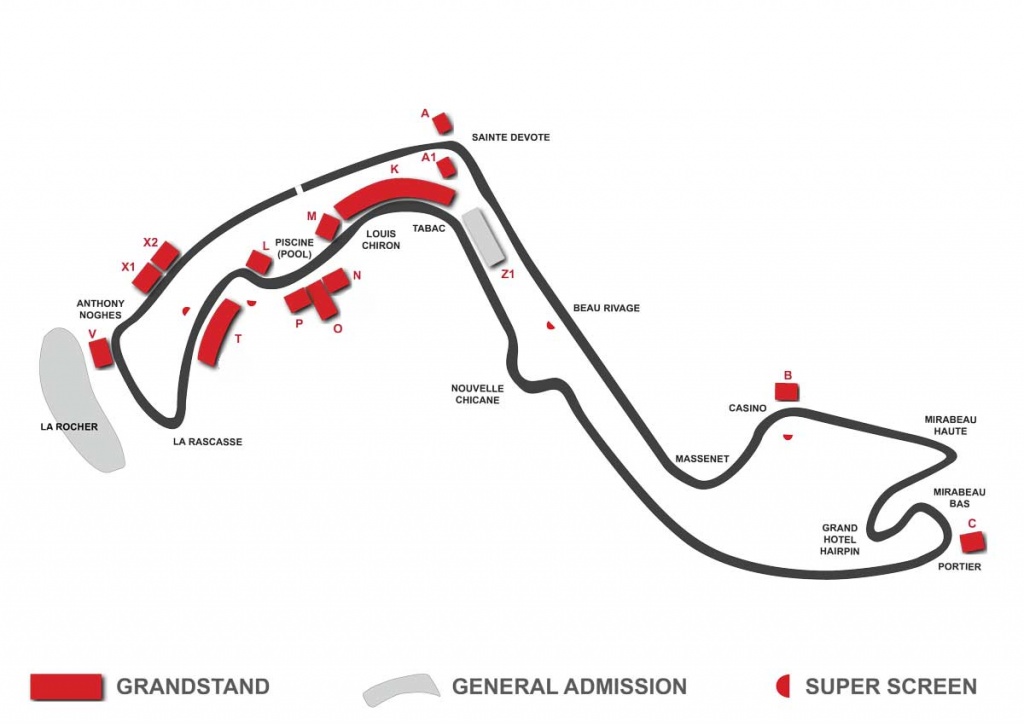
Street Circuit (Monaco, Singapore, Baku etc.)
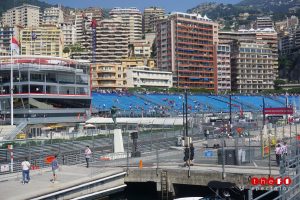
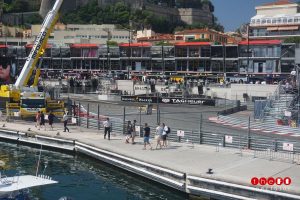
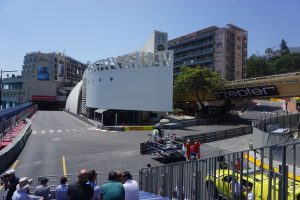
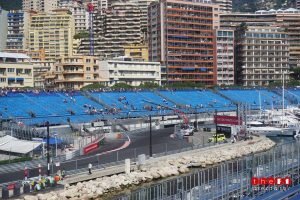
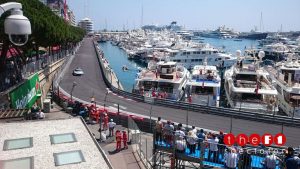
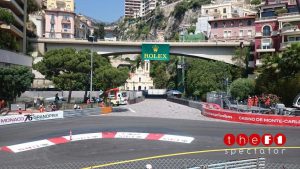
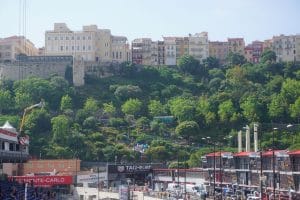
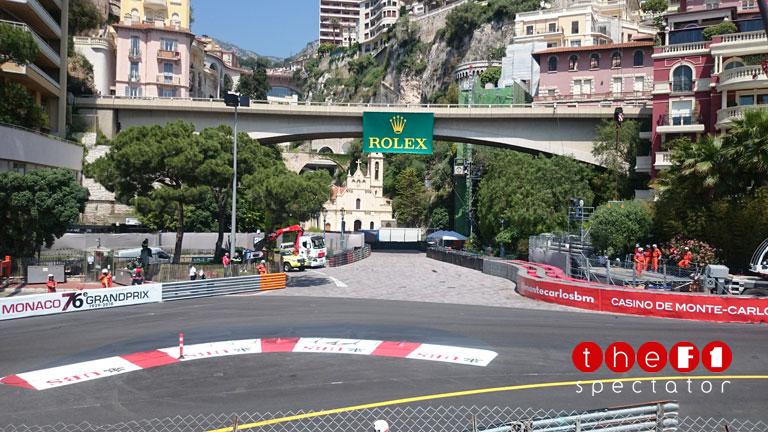
It can be a surreal experience to see F1 cars racing through built-up urban areas and the backdrop of the city gives each street race a unique feel. Watching drivers hustle a car around narrow streets like threading a needle at 200mph is a sight to behold.
Unfortunately for us watching at the track, views of this incredible sight are often limited by surrounding buildings and other obstacles. The small part of the track we do see is usually through catch-fencing.
Street circuit layouts are too often short straights and slow, 90 degree turns – not the kind of challenge that shows an F1 car at its best.
Given the narrow streets, and barriers threatening any small error with immediate retirement, overtaking is uncommon on street circuits.
Classic Circuits (Silverstone, Monza, Spa-Francochamps, etc.)
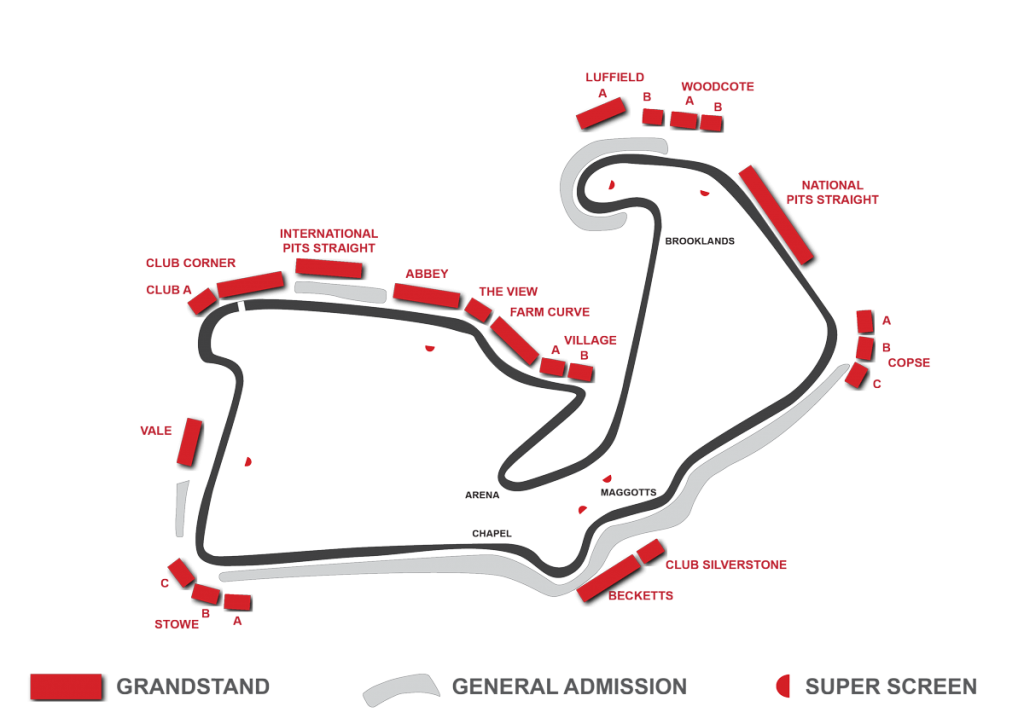
Ask any F1 fan which Grand Prix they most want to go to and most will list names like Monza, Spa, Silverstone. They are names that conjure up images of epic duels, triumphs and tragedies and being there brings it all to life.
Unlike modern, purpose-built tracks though, these tracks weren’t designed for spectators, and don’t always offer an ideal view. Facilities and infrastructure too sometimes need updating to compete with the modern well-funded circuits that have come in their wake.
Herman Tilke – The Modern Era (Bahrain, China, etc.)
‘Bland’, ‘generic’, ‘lacking character’ – some of the criticisms levelled at this relatively new breed of F1 circuit. With some notable exceptions, these are fair comments – it’s doubtful a casual TV viewer could see the difference between the Shanghai and Malaysia circuits for example.
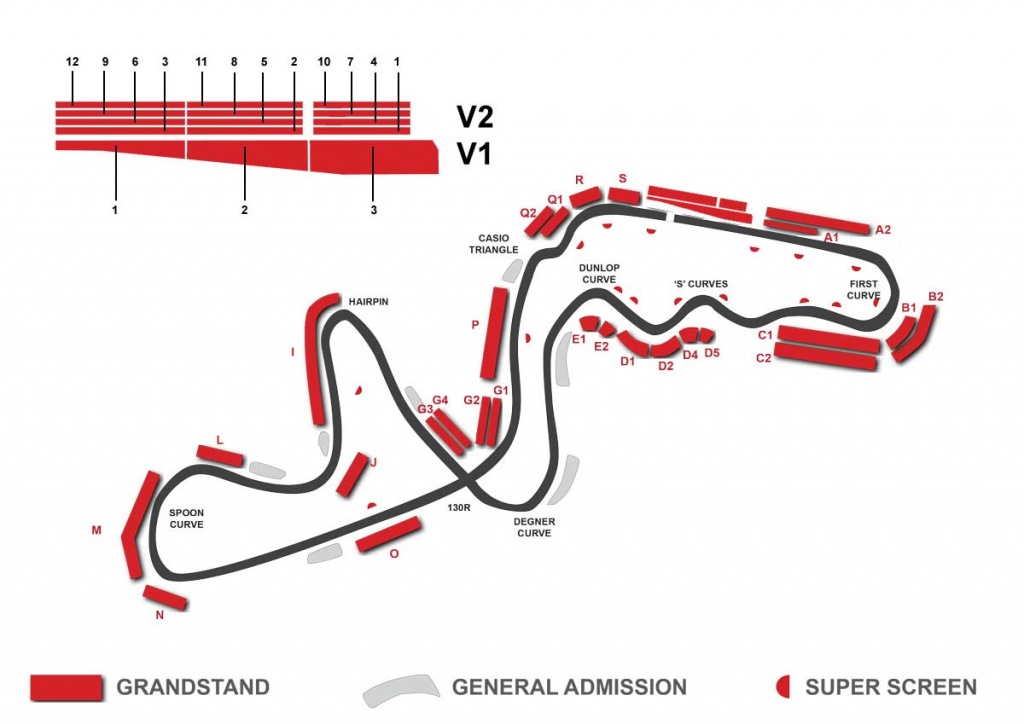
But for us, the race going public, these circuits easily come out on top for track views. These modern masterpieces are designed from the ground up for great racing and great views from the grandstands. Though much is circuit specific fans can usually expect the best facilities and infrastructure at these state of the art venues.
There is no one answer to what kind of track is the best for the spectator. All have their merits and everyone will have their own thoughts on what they consider most important. Close racing vs. driver precision. History vs. modernity. Track views vs. atmosphere.
And there are exceptions too in these broad categories. Tilke’s CotA oozes character; the Circuit de Catalunya has some of the best views of any circuit in Europe; the Baku street circuit is famed for exciting racing.
Hopefully keeping the pros and cons in mind and knowing what’s important to you should help, and deciding where your next Grand Prix trip will take you that little bit easier.

About Me
I’m Danny, an incurable Formula 1 fan for over 35 years and founder of The F1 Spectator. My aim is to inform and inspire, arming you with helpful tips and advice for your next F1 trip.